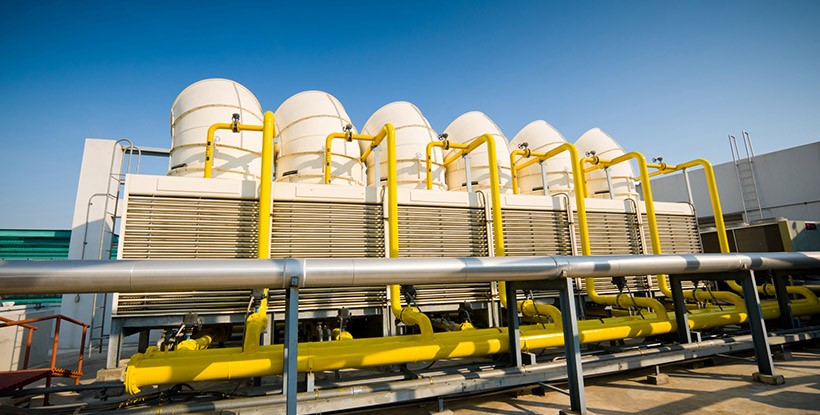
Industrial and commercial cooling systems run continuously to maintain steady temperatures for important processes. The water supporting these systems could become a responsibility rather than an asset if not carefully maintained. That is when cooling water treatment solutions become available. Through the protection of this equipment against corrosion, scaling, and biofouling, these services will ensure that your chillers, cooling towers, and other associated equipment run in prime condition and efficiency. Without expert care, cooling systems quickly lose their efficiency, causing wasted energy, monetary loss, and compromised system integrity.
Understanding Cooling Water Treatment Services
Cooling water treatment involves a specialized combination of chemical and physical procedures applied to water in cooling towers and other related equipment. Their first objective is to decrease sedimentation, corrosion, and microbial growth; water quality maintenance is their second. Because cooling water picks up impurities from the environment, the process system, and the make-up water supply itself, these treatments are necessary. From the evaporation of cooling tower water, dissolved minerals are concentrated, creating a perfect breeding ground for scale, corrosion, and harmful bacteria.
An adequately designed cooling water treatment system addresses these challenges through effective scaling control, corrosion management, and the prevention of microbial growth. In reality, this means complete monitoring of water chemistry, inhibition to protect metal surfaces, and the use of biocides to inhibit biofilm formation.
The Risks of Untreated Cooling Systems
Failing to give the cooling system’s water treatment appropriate consideration may have severe consequences. Scale deposits, for instance, result when calcium or other minerals precipitate out of the water and attach to heat exchange surfaces. Even a thin layer of scale serves as insulation, therefore lowering the effectiveness of the system in heat transfer. Rising energy use, increased operational expenses, and equipment under pointless stress follow from this.
Additionally, untreated water can damage metallic surfaces, lead to leaks, pipe corrosion, and structural integrity issues in chillers and towers. Including algae, bacteria, and biofilms, microbiological fouling can restrict water flow, protect injurious bacteria such as Legionella, and promote corrosion. All these issues combined reduce the reliability and life of the whole cooling system. System shutdowns due to extreme conditions can require emergency shutdowns, resulting in lost production and high repair expenses.
How Customized Treatment Makes a Difference
Tailoring Cooling Water Treatment Services to the specific needs of your facility yields the most outstanding results. Unique operating parameters, water sources, and environmental stress distinguish every cooling system. That is why a tailored program is often more effective than a standardized one. We create treatment plans at ClearWater Industrial Resources depending on site-specific water studies, machinery design, and even seasonal factors.
Selecting the optimal combination of corrosion inhibitors, scale dispersants, and biocides ensures optimal performance and protection for the system’s metal surfaces. Supported by intensive reporting and employee training, it also involves periodic monitoring and repairs. A customized approach helps you stay compliant with environmental regulations, thereby reducing energy use and avoiding costly failures.
The Long-Term Benefits of Cooling Water Treatment Services
Investing in Cooling Water Treatment Services delivers measurable returns. Investment in cooling water treatment services provides tangible results. Increased system efficiency results in lower energy bills, as equipment can transfer heat effectively with or without scale or biological resistance. Reducing corrosion and wear lengthens equipment life, consequently reducing the likelihood of premature replacement and repair. Regular water treatment supports environmental objectives by reducing water loss, increasing water recycling, and preventing the release of toxic microbes into the environment.
The peace of mind and assurance that a consistent system operation provides are equally essential; instead of devoting precious time to struggling with routine maintenance or unexpected repairs, operators can concentrate on their business. Having experienced professionals working for you provides you with long-term access to the technology, chemistry, and expertise necessary to protect your valuable assets.
FAQs
What is included in Cooling Water Treatment Services?
Cooling Water Treatment Services provides chemical dosing, corrosion protection, scale inhibition, microbiological testing, system examination, water analysis, and regular consultation to maintain your cooling system at peak performance.
How often should cooling water systems be checked?
The majority of systems should be checked at least once a week, with more detailed checks and water analysis conducted every month or every quarter, depending on the system’s complexity and the local environment.
Why is biological fouling such a problem in cooling systems?
Biological fouling, such as algae and bacteria, can clog pipes, decrease the efficiency of heat transfer, encourage corrosion, and even pose a health risk if pathogens are involved. Regular chemical treatment and monitoring are therefore necessary to control these organisms.
Conclusion
Through the inhibition of microbial growth, corrosion control, and water chemistry management, these solutions enable cost-effective, environmentally responsible, and effective operation of your cooling systems. Instead, just a maintenance plan; they are a necessary investment in safety and operational excellence. Think about collaborating with a group like ClearWater Industrial Resources if you’re prepared to protect your assets and bottom line. Backed by years of expertise, our tried-and-true tailored solutions guarantee that your water systems will remain protected today and for years to come.

