Walk into any food or beverage manufacturing facility, and you’ll notice something right away—water is everywhere. It’s the silent workhorse in everything from mixing dough to cleaning equipment to cooling machinery. But this isn’t your average tap water. In the world of food and beverage, water has to meet very specific standards, not just for safety, but for taste, consistency, efficiency, and yes, compliance. That’s where Water Treatment Solutions comes in. Not the flashiest topic at the dinner table, but definitely one that helps put the dinner on the table.
Why Water Quality Is Non-Negotiable in Food & Beverage
Water serves as both an instrument and an ingredient in this sector. Even a slight variation in your water quality can impact the flavor, shelf life, appearance, and safety of the end product. Think of making a craft soda with water that has too much chlorine or trace metals. Not only would it taste off, but you might be explaining things to the health department or customers with a very sophisticated palate. The stakes are high, and so are the standards.
Common Water Treatment Needs in Food Production
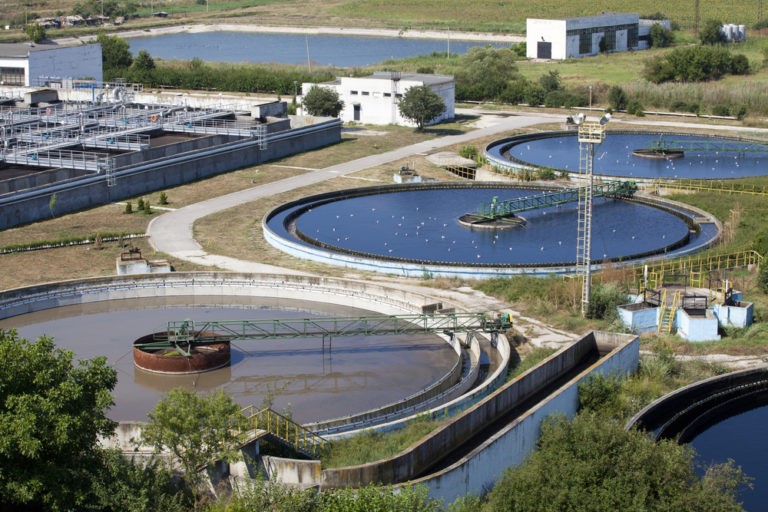
Food and beverage plants need water treatment systems that handle a variety of tasks. There’s incoming municipal water that needs filtration, softening, or reverse osmosis to meet recipe standards. There’s process water that needs to be ultra-clean and consistent. Then there’s boiler and cooling tower water—essential for energy efficiency. And don’t forget the wastewater. If you’re discharging water back into the environment or municipal systems, it has to be treated properly to stay compliant.
Tailored Solutions vs. One-Size-Fits-All
A dairy processor doesn’t have the same water challenges as a snack food plant or a brewery. That’s why customized Water Treatment Solutions matter. You need an integrated strategy that considers your procedures, volumes, regulatory demands, and the sensitivity of your goods to minerals or microbial load, rather than relying on a generic filter stuck on a line.
The Role of Filtration, Softening, and Reverse Osmosis
Filtration removes sediments, particles, and other contaminants that would choke systems or damage flavor and quality. Calcium and magnesium ions are eliminated by water softeners, which causes scaling, like leaving behind a mineral crust on your equipment. Your usual is reverse osmosis for high-purity water. Giving your water a detox cleanse is like removing almost everything except H₂O itself.
Disinfection: Keeping It Clean
Sanitation is non-negotiable in the food industry. But how you disinfect your water depends on what you’re producing. Some installations zap microorganisms without chemicals via UV disinfection. Some use chlorine dioxide or ozone. The trick is weighing effectiveness with safety. You want to eliminate germs without introducing strange flavors or byproducts into your drinks, and you also want to avoid having your maintenance staff address corrosion issues every several weeks.
Sustainable Water Practices Are a Growing Priority
Sustainability is now core to activities rather than only a buzzword. Companies can save costs and reduce their carbon footprint by using water reuse, recycling, and wise disposal techniques. You might recover heat from effluent, reuse rinse water in noncontact applications, or deploy real-time monitoring to find inefficiencies before they grow. It is both sensible and advantageous for the world.
Regulations You Can’t Afford to Ignore
Food and beverage producers work under regulatory scrutiny from the FDA, local health agencies, and the EPA. Systems of water treatment should support—not obstruct—compliance. That means having records, traceability, validated cleaning protocols, and the ability to adapt to changing regulations without overhauling everything. Nobody wants a shutdown because a filter didn’t meet NSF certification.
FAQs
Do water treatment systems require a lot of maintenance?
It depends on the system. Most modern setups are designed for minimal upkeep, but regular monitoring and periodic filter changes are essential.
Can treated water improve product shelf life?
Absolutely. Cleaner water can help reduce microbial contamination, which is a big factor in shelf stability.
Is water reuse safe in food production?
When done correctly and in non-contact applications, water reuse can be safe, sustainable, and cost-effective. It must meet regulatory standards.
Conclusion
Water is more than just a convenience if you work in the food or beverage business; it’s a key component in your product and your technique. Savings on water quality could cost you in flavor, downtime, compliance issues, and reputational harm. Tailored to your demands, the right Water Treatment Solutions are effective and compliant. Whether you’re trying to improve an ancient facility or starting up a new one, include water in the plan, not just in the background.
Ready to upgrade your water systems? Let’s talk about solutions that make sense for your plant, your product, and your bottom line. Find out how custom water treatment can help you hit every target from taste to traceability with Clear Water Industrial Resources.

