Although industrial wastewater may not be the most glamorous subject, disregarding it can lead to costly regulatory and operational problems. Consider it the oil in the motor of your automobile. Although you do not always see it operating, things will stiffen quickly without routine maintenance and treatment. That’s just the beginning, too.
Businesses running or managing facilities using water—such as food processing, metal finishing, chemical manufacturing, and fabrics—have to have a thorough knowledge of wastewater treatment for industry. Every drop coming from your plant has to be appropriately managed, not only for the sake of the environment but also for your compliance record and bottom line.
The Basics: What Is Industrial Wastewater?
Industrial wastewater is any water that’s been used during manufacturing processes and ends up contaminated with various substances, which could be chemicals, heavy metals, oils, or organic waste, depending on the industry. Some facilities produce slightly dirty water. Others? Well, suffice it to say you would not want to swim in it.
One cannot simply flush wastewater down the drain. To ensure it meets environmental standards before discharge or reutilization, it requires treatment, which is usually a multistep process. You otherwise risk fines, closures, or long-term environmental damage. And nobody wants their plant on the evening news for the wrong reasons.
Why Compliance Is Non-Negotiable
Let’s talk regulations—yes, the part everyone loves to groan about. Industrial wastewater is tightly regulated by agencies like the EPA in the U.S. or the Environmental Protection Agency in Ireland and similar bodies worldwide. These groups define discharge limits for pollutants, and trust us, they don’t like being ignored.
Staying compliant is more than just trying to escape fines, though those can be quite high. Criminal charges, reputational harm, and mandated operational stops could all result from noncompliance. That’s the corporate equivalent of having your car impounded for ignoring too many parking tickets—only way more expensive.
Treatment Technologies: Not One-Size-Fits-All
There’s no single solution when it comes to wastewater treatment for industry. The system you need depends entirely on what kind of waste your process produces. For instance, a dairy factory won’t employ the same treatment method as an electroplating facility.
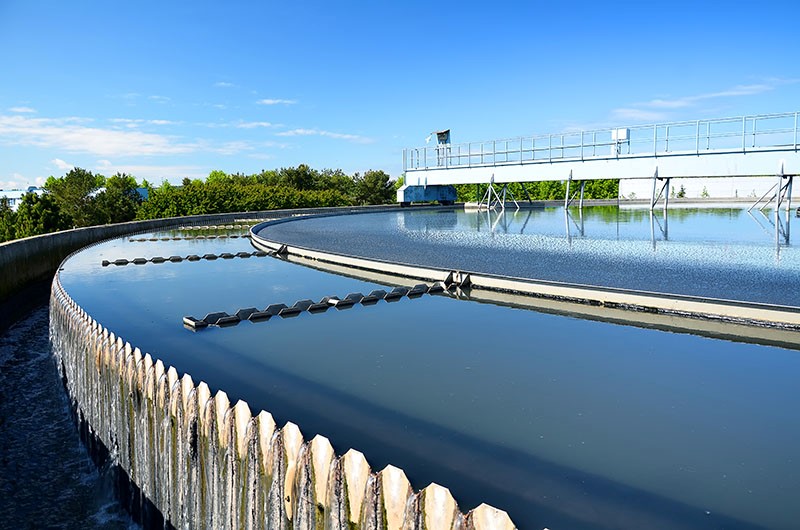
Treatment usually includes physical separation, such as filtration, chemical treatment (neutralization, coagulation), and biological operations, such as activated sludge systems. Membrane bioreactors or more oxidation methods are employed in specific setups. Sounds extravagant, yes? That’s because it is engineered specifically to make dirty water clean again.
The Hidden Financial Benefits (Yes, Really)
At first glance, investing in a full-scale treatment system might seem like a massive cost. And yeah, it is. In the long run, however, it’s the sort of cost that saves money.
How? Good treatment starts by avoiding equipment corrosion and clogging, hence increasing the lifespan of pipes, tanks, and machines. Moreover, it enables the recovery of reusable water or byproducts, thereby reducing your reliance on raw materials and fresh water. Think of it as a strategic buy, like investing more upfront for a good pair of shoes but averting blisters and replacements for years.
Water Reuse and Sustainability Goals
More and more companies are embracing closed-loop systems—treating wastewater locally and using it in manufacturing. Reuse and other sustainable practices are needed instead of being optional as water shortage worsens and corporate ESG (Environmental, Social, and Governance) demands increase. It is also cost-conscious.
It resembles house compost. Indeed, it requires labor, but eventually it pays dividends both in terms of good vibes and resource economy. Industrial water recycling uses the same rationale but scaled up and with a great deal more chemistry involved.
Avoiding Downtime and Operational Risks
A well-run wastewater treatment system keeps things moving. Sudden discharge permit or pollution control malfunctions can stop operations dead in their tracks. And repairs? They rarely come cheap or on time.
Regular treatment and monitoring systems, by contrast, find issues early on and therefore stop them from developing into calamities. It’s akin to spotting a leak in the roof before the whole ceiling falls down. That little alert from your SCADA system might save you thousands—or more.
Tailored Programs and Service Partnerships
Many industries don’t manage this process alone, and for good reason. Outsourcing your system to a water treatment service provider assures it stays optimized, monitored, and compliant without the need for a staff of in-house chemists.
Chemical dosing, remote monitoring, sludge treatment, and periodic audits could be included in customized programs. You can focus on your product or service rather than stressing about suspended solids and pH values.
FAQs
What industries need wastewater treatment the most?
Industries like chemical manufacturing, food processing, pharmaceuticals, textiles, and metal finishing are all heavy users of water and require strict treatment systems to meet discharge standards.
Is wastewater treatment for industry expensive?
It can be, initially, but it saves costs long-term through compliance, equipment protection, water reuse, and process efficiency.
Can treated industrial wastewater be reused?
Yes! Many industries reuse treated water for cooling, cleaning, or even process input, depending on quality levels.
Conclusion
Wastewater treatment or industry is more than just a cost or legal barrier. It is an important component of risk management, operational success, and sustainability—quietly keeping your systems running and your brand in the clear, from compliance to cost control to corporate responsibility, covering all bases.
Now is the moment to reconsider whether your plant still approaches wastewater like an afterthought. Working with a qualified treatment specialist can make the process manageable—and much less stressful—whether you’re starting fresh or updating current systems.
Ready to reduce one less concern about wastewater? Get in touch with a reliable treatment partner like Clear Water Industrial Resources right now to create a system that’s tailored to your plant, budget, and future goals.

